PROMPT GUIDE
Common Prompt Words and What They Do (Beginner Word List)
You copied a prompt but cannot tell what the words mean. This guide lists the words that show up most often in AI illustration prompts, together with what each one affects. You do not have to memorize them all. Once you know which kind of word you are looking at, you can add, swap or remove it on your own.
Last updated: approx. 3 min read
The short answer
Prompt words are easier to read and write when you sort them by kind: subject, appearance, expression, outfit, place, light and composition. Look up an unfamiliar word in the tables below, then add or swap one word at a time and check what changes.
How do you look up and write prompt words?
Sort each word by kind (subject, appearance, expression, outfit, place, light, composition) and you learn its meaning and where it belongs at the same time.
A prompt is not a grammatical sentence. It is a list of short chunks of meaning, so weak English is not a problem. What matters is knowing which part of the picture a word affects. For example, long hair affects the hair, smile affects the expression, and library affects the place. Once you know the kind, you can swap in another word of the same kind (short hair or blush, for instance) and change the picture.
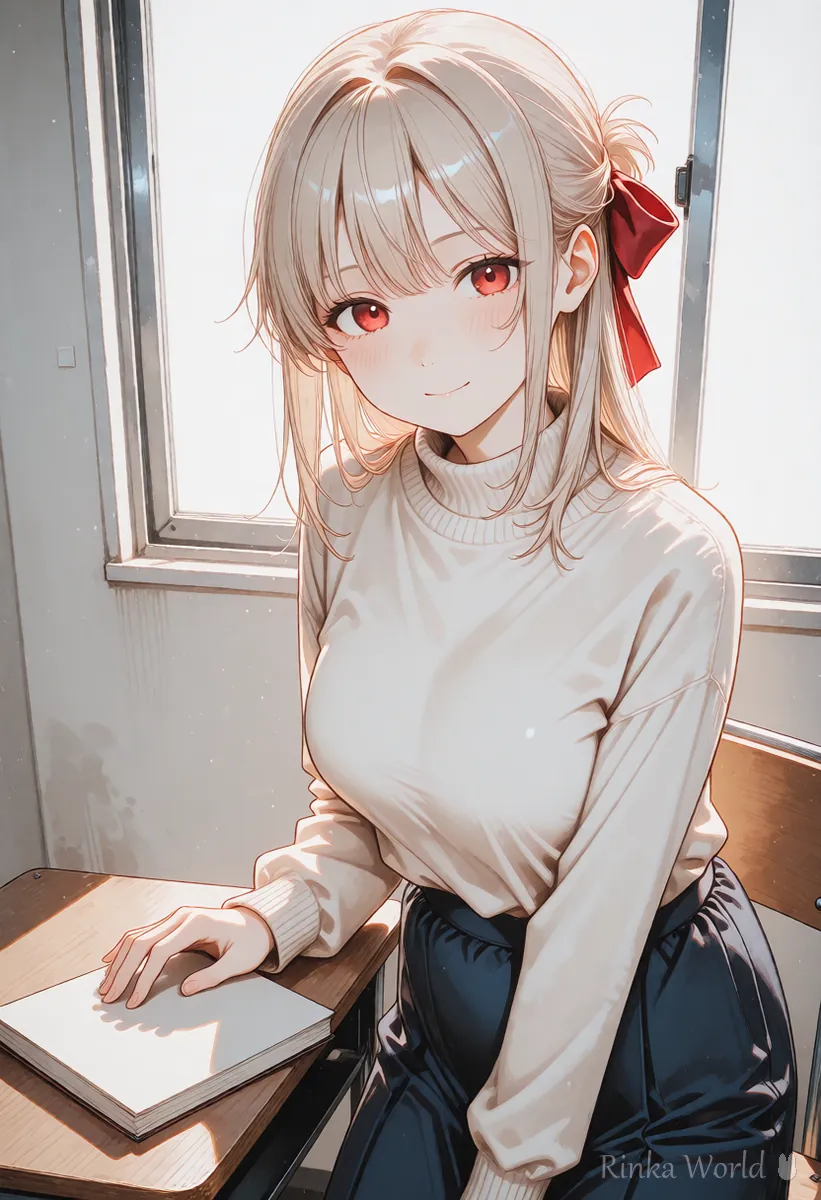
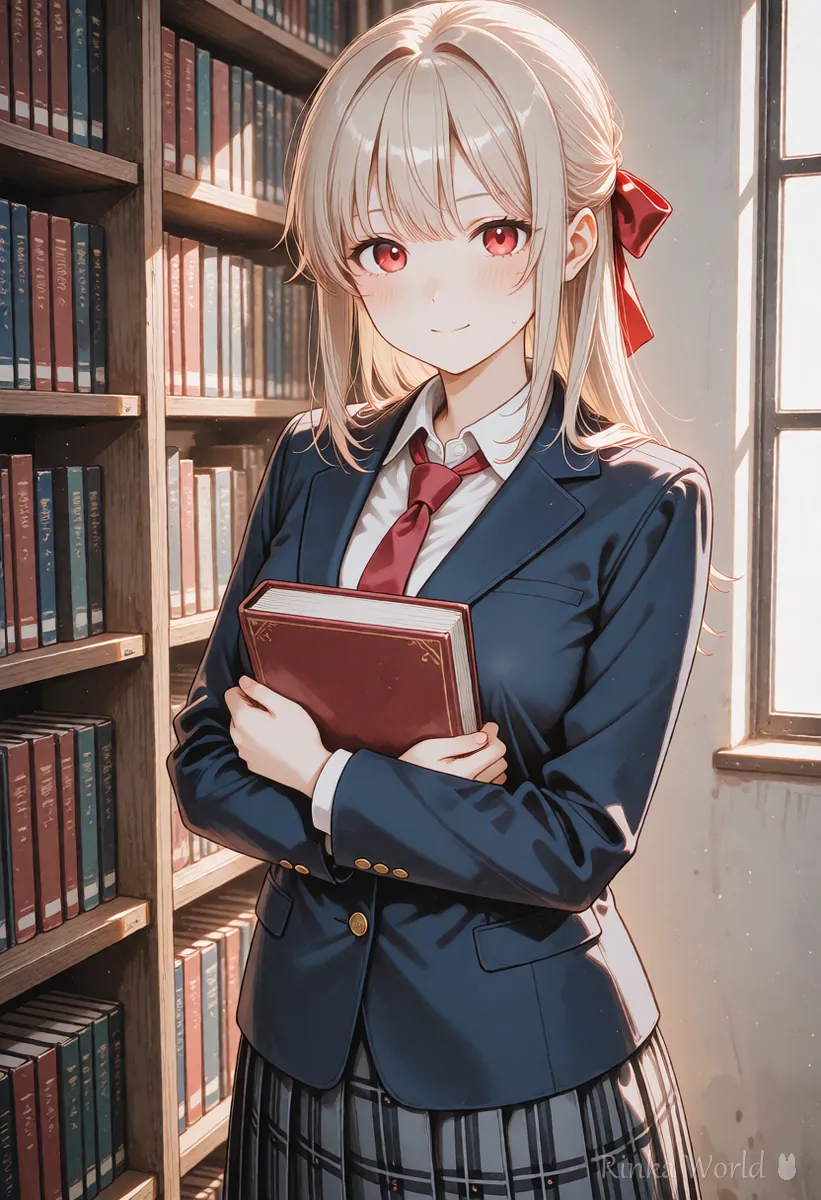
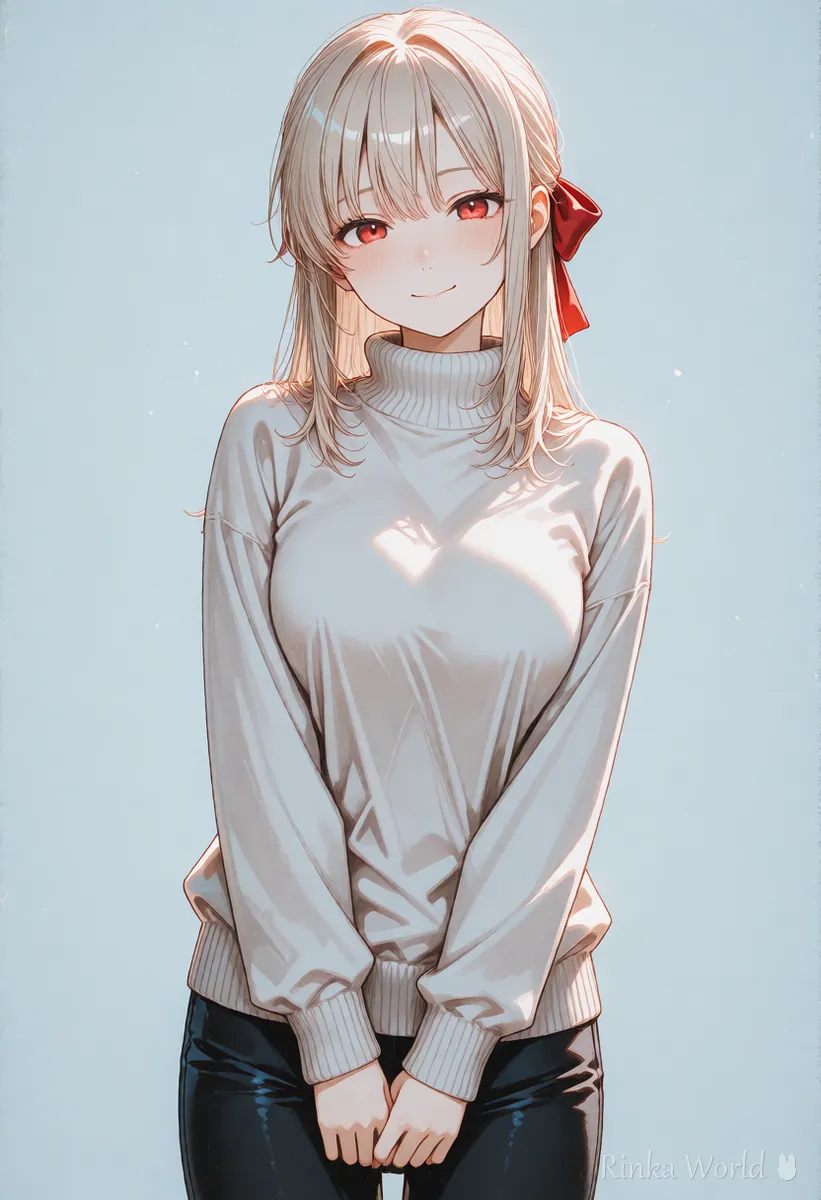
What are the common expression and outfit words?
Expressions use feeling words such as smile or blush, and outfits use a clothing name with a color.
What are the place, light and composition words?
Places are nouns such as classroom or park, light is written with words like sunlight or backlighting, and composition uses upper body or full body.
What are the common negative prompt words?
Negative prompts list states you want to avoid, such as worst quality, low quality, blurry and bad anatomy.
How to look up an unfamiliar word and test it
- Mark the words in the prompt whose meaning you do not know
- Find out which kind of word each one is (subject, hair, outfit, place and so on) using the tables here or a Danbooru search
- Once you know the meaning, swap in another word of the same kind and make one picture
- If the effect is weak, add a word with a similar meaning or move the word closer to the front
- Save the words you use often in your own notes or a template
1girl, solo, long hair, blonde hair, red eyes, smile, looking at viewer, school uniform, classroom, sunlight, upper bodyworst quality, low quality, blurry, bad anatomy, extra fingers, watermarkRinka's tips
- Adding one word at a time makes it clear which word did what
- Learning by kind with tables is faster than translating each word one by one
- To turn your own language into English tags, the site's Prompt Japanese Converter tool can help
To look tags up yourself, see How to Look Up Danbooru Tags (Finding the Correct Tag Name) →
For more expression words, see Facial Expression Prompt List (Smile, Blush, Crying) →
For outfit words, see Outfit Prompt Tag List (School Uniforms, Dresses, Casual Wear) →
For the full picture of negative prompts, see Recommended Negative Prompts and a Copy-Paste Template →
For prompt terms such as seed and CFG, see AI art glossary (beginner-friendly explanations) →
FAQ
Frequently Asked Questions
Does prompt English have to follow grammar?
No. A list of short chunks of meaning separated by commas is enough. What matters is knowing which part of the picture each word affects.
How do I look up an English word I do not know?
Looking it up by kind, as in the tables here, is the quickest way. You can also check tag meanings with a Danbooru search or the site's prompt converter tool.
Which of several words with the same meaning should I choose?
Try one first. If it has no effect, swap in another way of saying it or move it a little earlier. Which wording works best differs by model.
Can I write the prompt in my own language instead of English?
Some services accept other languages, but tag-based models are usually more stable in English. A good method is to think in your own language and then convert the prompt to English.
RINKA WORLD
Play in Rinka World
MORE