PROMPT GUIDE
Art Style Glossary (What Anime Coloring, Painterly and Watercolor Mean)
Anime coloring, painterly, visual-novel coloring: illustration styles come with many names. If you do not know what they mean, you cannot decide how to ask an AI for them. This guide sorts the terms by meaning and by how to recognize them, and shows how to think about them when writing a prompt.
Last updated: approx. 3 min read
The short answer
Style terms fall into three groups: how it is colored, how lines are used, and what medium it looks like. Anime coloring has crisp shadows, painterly looks like layered paint, and watercolor is marked by transparency and bleeding. Once you know the meaning, it is easier to specify in a prompt.
How should you group art style terms?
Split them into how it is colored, how lines are used, and what medium it resembles, and the meaning and difference of each term becomes clear.
Several things decide how a picture looks. How shadows are added (coloring), how outlines are drawn (line use), and what tool it seems to be drawn with (medium). With AI illustration too, knowing which of these three you want to specify makes the prompt easier to write.
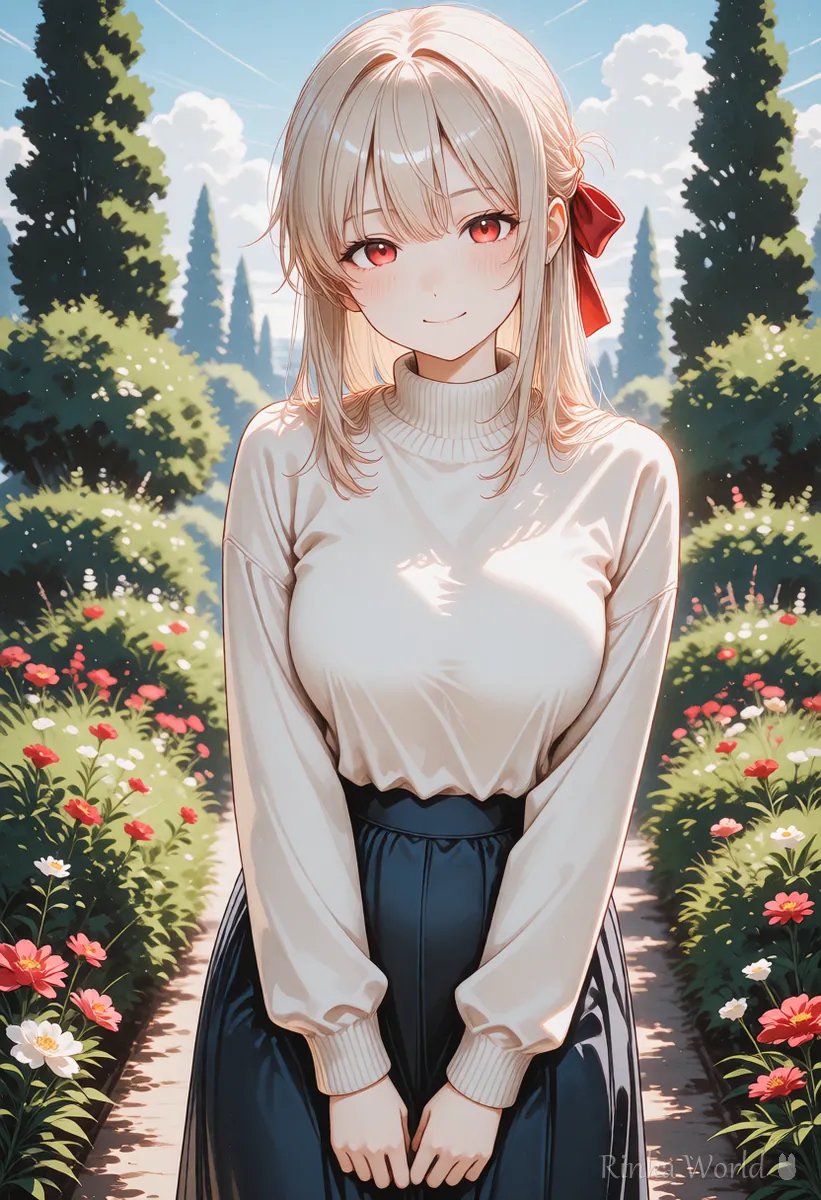
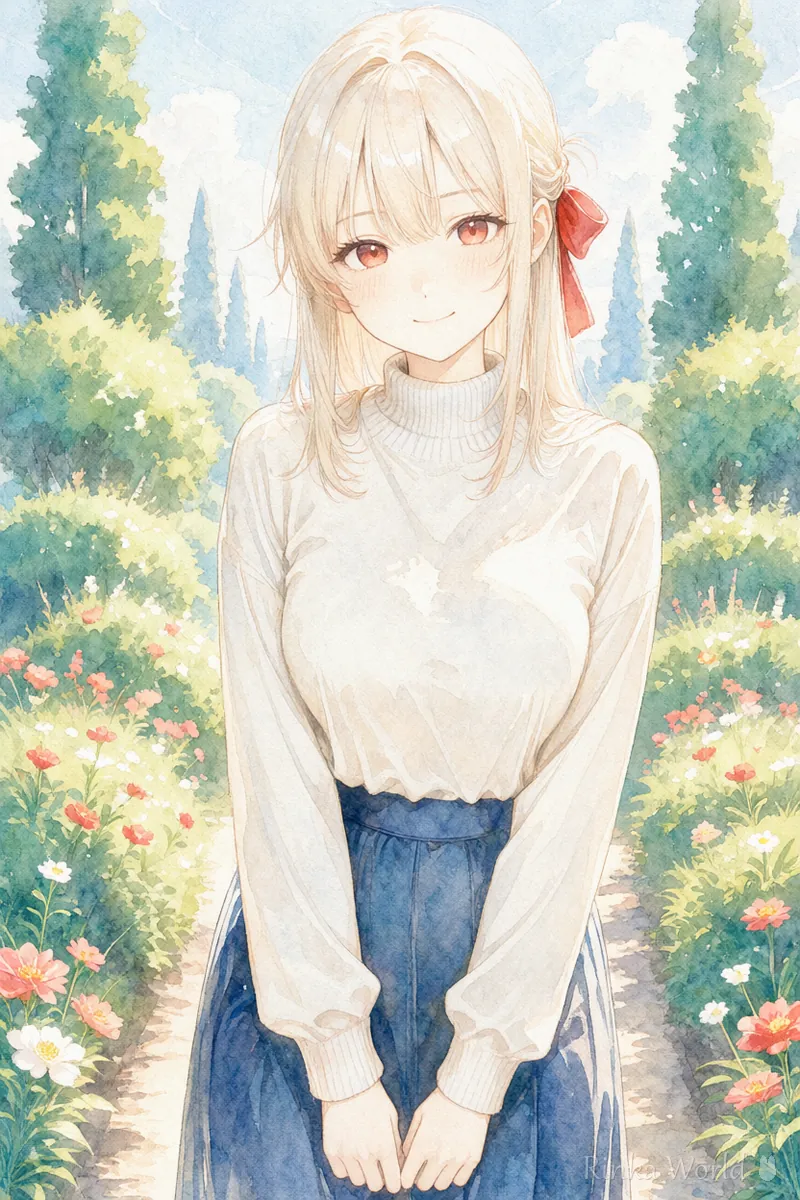
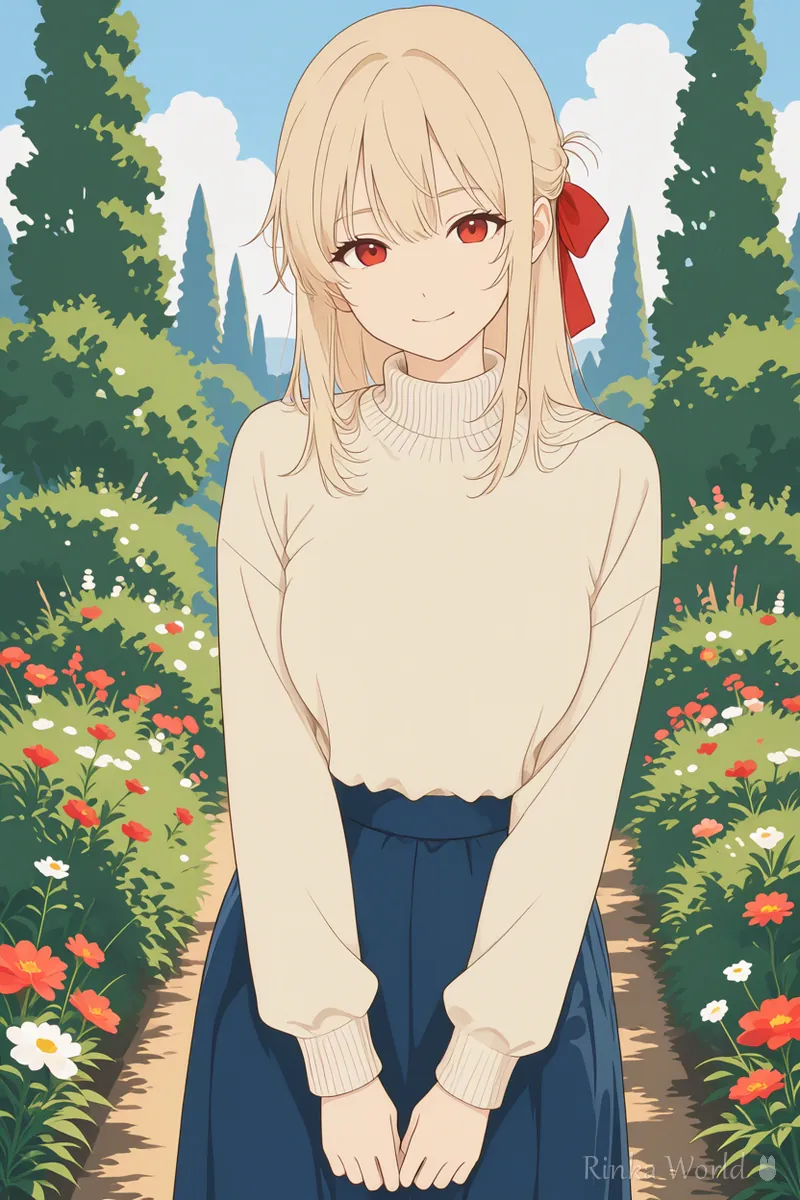
How do coloring terms (anime coloring, flat color, painterly) differ?
Crisp shadow edges mean anime coloring, almost no shadow means flat color, and a layered-paint texture means painterly.
What are the line and medium terms (line art, watercolor, colored pencil)?
Line art puts the lines in charge, watercolor means bleeding and transparency, and colored pencil means a rough, stroked texture.
How do you specify an art style in an AI illustration prompt?
Pick at most one each from coloring, line and medium, and keep style words to one to three in total.
How to decide a style and put it in the prompt
- Choose one sample picture close to what you want, and see whether its feature is the coloring, the lines or the medium
- Pick one term that matches that feature from the tables here
- Write it as a tag such as anime coloring or watercolor (medium), or as an English phrase
- Place style words near the front, right after the number of people
- Put styles you do not want in the negative prompt so they do not mix in
1girl, solo, anime coloring, cel shading, clean lineart, flat color, smile, upper body, masterpiece, best quality1girl, solo, watercolor (medium), soft colors, paper texture, smile, upper body, best qualityRinka's tips
- Listing many style words makes the result change every time because it is unclear which one wins
- The same style looks different in a full-body view and in a close-up, so compare using the same composition
- Asking for the style of a real, living artist by name is not recommended because of rights and manners
What happens when you mix art style terms?
If you list two or more coloring terms, the AI may not know which to favor and the result can end up half-way between them.
Once you know the meanings, you can predict what happens when you mix them. For example, anime coloring with crisp shadows and painterly coloring with layered paint use opposite ideas of shadow. Asking for both tends to give shadows that look in between. If you want to mix them, make one the main style and add the other only as a light touch.
For how to write coloring tags, see Coloring Style Prompts (Anime Coloring, Galge Style, Painterly, Flat Color, Lineart) →
For a list of style and medium tags, see Art Style Tags Encyclopedia: Mediums, Retro and Art Movements →
To get line art or a sketch, see Lineart Prompts (Lineart, Sketch, Monochrome) →
If the style keeps drifting, see Why your AI art style keeps changing, and how to keep one consistent look →
FAQ
Frequently Asked Questions
What is the difference between anime coloring and painterly?
Anime coloring paints shadows as crisp-edged shapes, while painterly looks like layered paint. A simple way to tell is whether the shadow edges are clear or brush marks are visible.
Are cel shading and anime coloring the same thing?
They are used with almost the same meaning. Both describe painting shadows in a few crisp steps, like an anime cel.
How many styles can I put in a prompt?
One to three is recommended. Listing many makes it unclear which style wins, so the result tends to drift each time.
Why do hands and faces break more often in watercolor style?
Because bleeding lines make small shapes vague. When faces and hands matter, anime coloring is more stable.
RINKA WORLD
Play in Rinka World
MORE