PROMPT GUIDE
How to Use Midjourney Style Reference (--sref)
Midjourney style reference carries the colors and painting mood of a picture you like over to new pictures. You add --sref to the prompt and point it at a reference image. When you make a series of pictures, it helps keep the art style consistent. This guide explains how to use it and how to fix a reference that works too strongly or too weakly.
Last updated: approx. 3 min read
The short answer
Midjourney style reference adds --sref and a reference image (or number) at the end of the prompt to match color and painting mood. You adjust how strongly it works with --sw. Feature names and values change between versions, so check the official guide.
What is Midjourney style reference (--sref)?
It is a feature that carries the colors and painting mood of a reference picture over to new pictures.
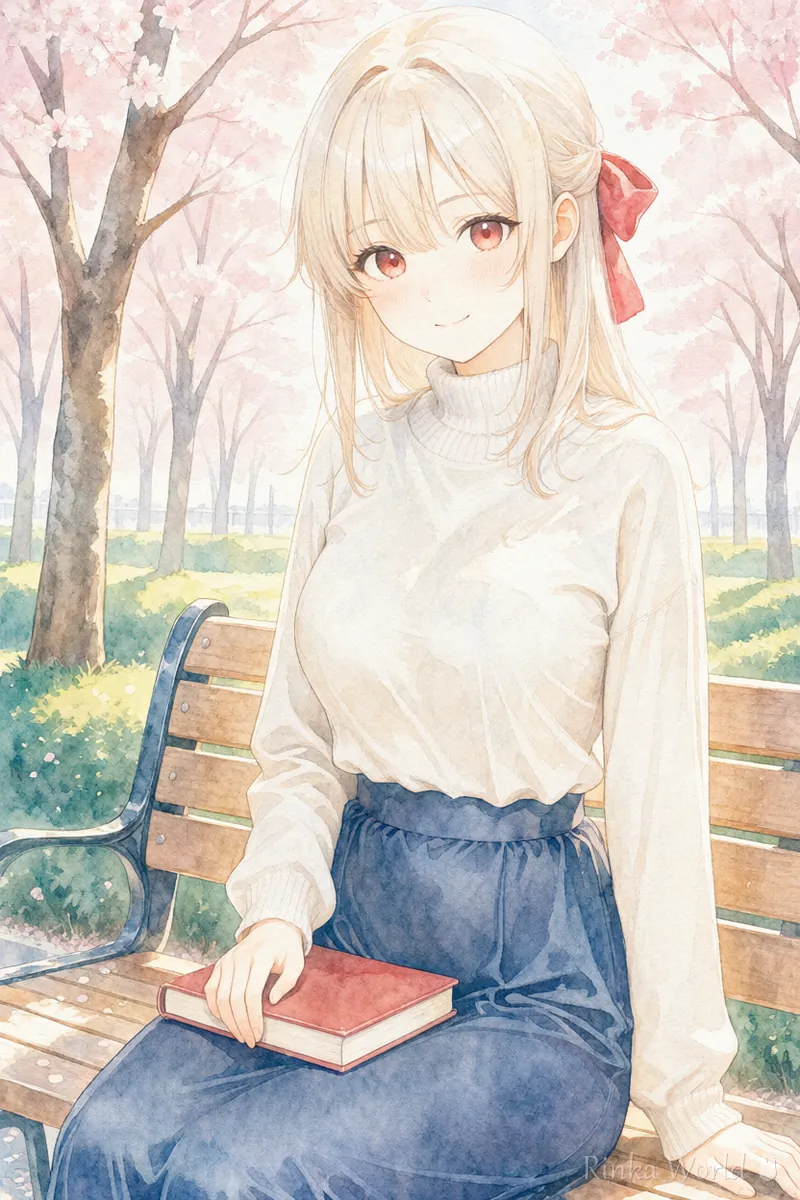
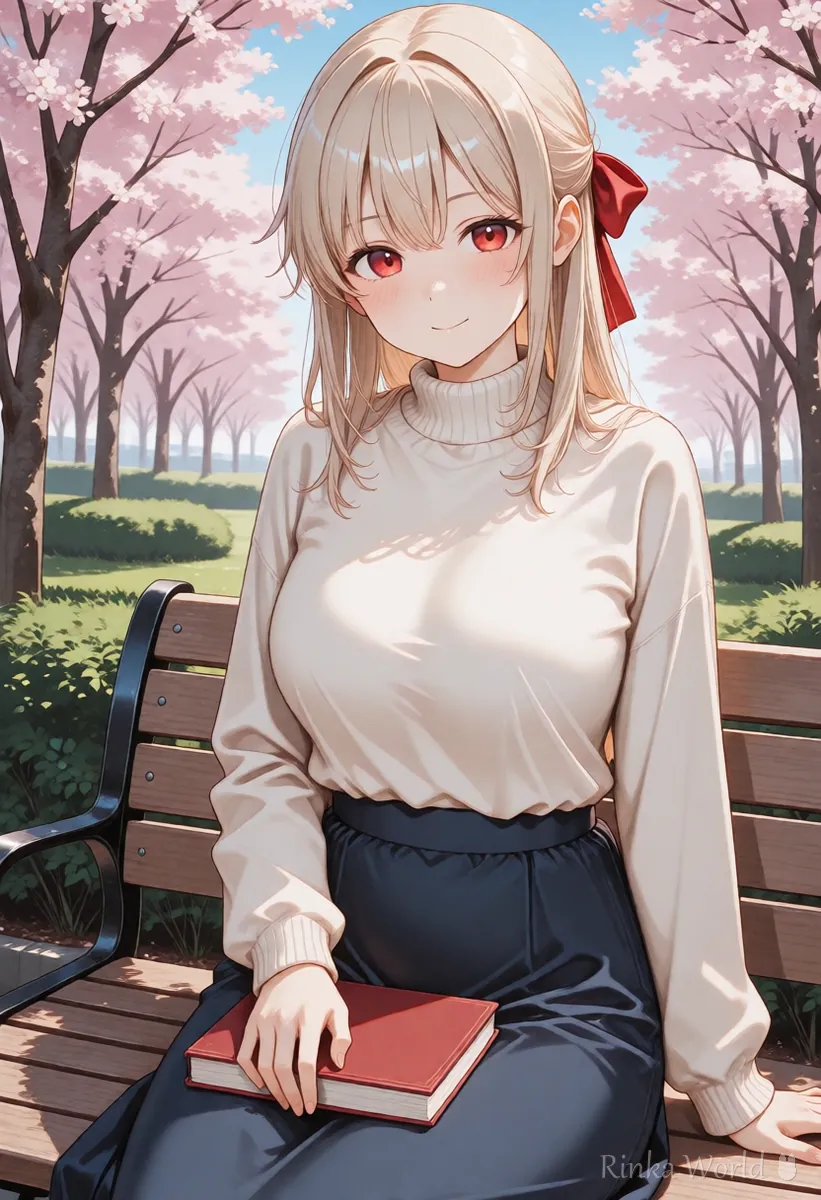
If you try to keep an art style consistent with prompt words alone, the mood shifts a little every time. With style reference, you write the URL or number of a model picture after --sref, and the mood of that picture is reflected in the new one. It is not a feature that copies a character's face or the composition exactly. It mainly carries mood: color, painting style and texture.
What are the steps for style reference?
Steps for matching art style with --sref
- Decide which picture you want as the model (a picture you made yourself is recommended)
- Upload the reference image, or look up the number you want to use
- Write your usual prompt (the content of the new picture)
- Add --sref and the URL (or number) of the reference image at the end of the prompt
- Make one image and check whether the mood fits
- If the effect is too strong or too weak, change the --sw number and try again
an anime girl reading a book by a window, soft afternoon light --sref [reference image URL] --ar 2:3an anime girl walking in a park under cherry blossoms --sref [reference image URL] --sw 100 --ar 2:3How do you choose a reference image?
Choose a picture with few colors and a clear painting mood, and the effect is easier to see.
- Use a picture you made yourself, or one whose use is allowed (be careful about rights and terms with other people's work)
- A picture where the overall colors are easy to read passes on its mood more easily than one with a large close-up figure
- Try several references side by side and keep the one that gives the mood you like best
- Within one series, keep using the same reference
How do you decide the strength with --sw?
Make an image first without it, raise the number if the reference feels weak, and lower it if it works too strongly.
The range and default of --sw can change between versions. Check the meaning of the numbers in the official Midjourney explanation.
What if the art style does not match? (Common failures and fixes)
The cause is often a clash among the choice of reference, the strength, and the style words in the prompt.
For the basic Midjourney prompt, see How to Write Midjourney Prompts (Sentences and Parameters) →
For how to write for the mode that is strong at anime art, see How to Write Niji Journey Prompts (for Anime Art) →
For ways to keep the art style consistent in other tools too, see Why your AI art style keeps changing, and how to keep one consistent look →
For how to think about the rights of pictures used as references, see AI art and copyright basics (what to watch out for and how to check) →
FAQ
Frequently Asked Questions
What is the difference between --sref and --sw?
--sref is how you specify the picture to use as the reference, and --sw is a number that sets how strongly it works. Try --sref alone first, and change --sw when it is too strong or too weak.
May I use someone else's illustration as a reference image?
Rights and terms of use are involved, so it is safer to use pictures you made yourself or ones you are allowed to use. When in doubt, check the official terms.
Can it match a character's face too?
--sref mainly carries mood. To keep a character's look consistent, there are separate features such as character reference. Names and usage change between versions, so check the official guide.
Is there a way to specify a style by number?
A way to specify a style by number may be provided. Whether you can use it depends on the version, so check the official guide.
Can I use it with a prompt written in Japanese?
You can, but English is said to follow your intent more easily. Think in Japanese, turn it into a short English sentence, and add --sref at the end.
RINKA WORLD
Play in Rinka World
MORE